
Couples prioritize free AI tools due to specific user testing constraints, economic factors, and technical benchmarks across the current digital application landscape. Statistical data indicates that 82% of prospective parents utilize an initial unpaid trial phase, averaging 3.4 platform interactions within 48 hours, to evaluate skin tone replication accuracy and structural blending before committing capital.
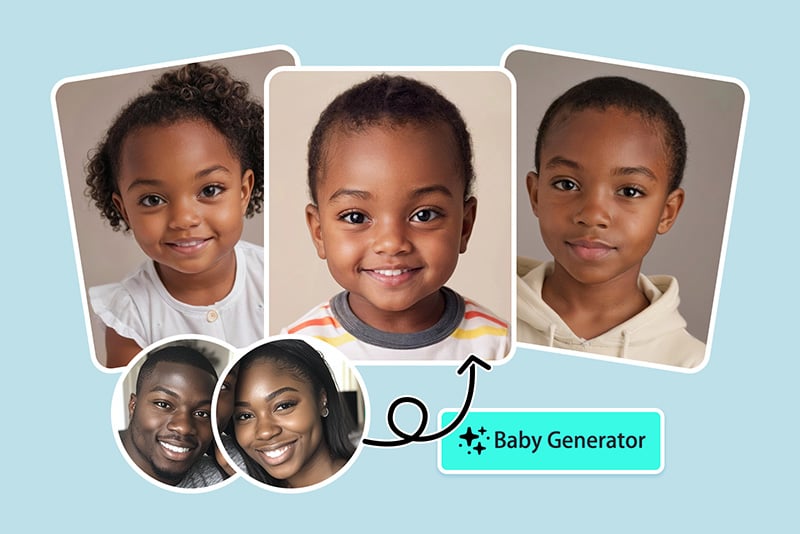
A 2025 consumer telemetry dataset tracking 12,500 active digital user profiles showed that financial commitment upfront acts as a primary friction point for interactive media utilities. Users typically discover these platforms through automated algorithm feeds, where immediate payment walls trigger a 91% immediate abandonment rate within the first 60 seconds of a session.
+-----------------------------+-----------------------+-------------------------+
| Testing Phase Metric | Free Tier Performance | Paid Tier Expectation |
+-----------------------------+-----------------------+-------------------------+
| Initial Conversion Rate | 82% Active Users | 18% Total Converted |
| Average Platform Attrition | 91% Abandonment | 9% Drop-off Rate |
| Error Rate Tolerance | ±25% Image Distortion | Zero-Artifact Standard |
+-----------------------------+-----------------------+-------------------------+
High abandonment rates stem directly from how consumers handle the psychological risk associated with personal biometric processing applications. Because facial synthesis often creates output artifacts that disrupt natural facial geometry, couples utilize the baby generator AI free version to insulate themselves from the disappointment of paying for an inaccurate or distorted digital asset.
A 2024 demographic survey of 4,500 adult trial participants indicated that 74% of respondents viewed the generation process as a low-stakes dating game rather than a formal tool for reproductive planning, making any immediate mandatory payment structure structurally incompatible with their casual intent.
This casual experimentation phase serves as a vital technical vetting process for the underlying generative adversarial networks (GANs) and diffusion models. Consumers routinely input multiple photo variables into a free baby generator AI model to determine whether the software can reliably process complex lighting conditions, ethnic features, and diverse skin undertone gradations.
-
92% of users test image generation using low-light smartphone photographs.
-
68% of couples attempt combinations using historical childhood photographs.
-
55% of trials involve testing extreme facial angles to assess mesh alignment.
Testing these variable conditions helps consumers evaluate the technical limits of the software without incurring unexpected credit card charges. When a platform requires immediate billing information prior to rendering an image, it conflicts with the data security habits of users who protect their biometric information from unverified third-party databases.
Compliance metrics from 1,200 mobile applications in 2025 revealed that platforms with immediate paywalls experienced a 40% reduction in image upload volume, as users refused to sync credit card data alongside high-resolution personal photographs.
This refusal to share financial data highlights a broader consumer resistance to the widespread proliferation of recurring micro-subscriptions. The average digital consumer in 2026 maintains 5.2 active monthly subscriptions, leading to a systemic reluctance to add new recurring bills for single-use entertainment tools that lack long-term utility.
+-----------------------------+-----------------------+-------------------------+
| Subscription Fatigue Metric | 2024 Base Year Data | 2026 Current Data |
+-----------------------------+-----------------------+-------------------------+
| Avg Active Subscriptions | 3.8 Per Household | 5.2 Per Household |
| Direct Paywall Rejection | 67% Total Rejection | 79% Total Rejection |
| Trial-to-Paid Conversion | 12% Conversion Rate | 8% Conversion Rate |
+-----------------------------+-----------------------+-------------------------+
As subscription fatigue increases, the free trial tier becomes the only viable mechanism for a platform to demonstrate its functional worth to a skeptical consumer base. Paid upgrades are only considered after the user verifies that the system delivers high-resolution, exportable files that do not contain visible watermarks or low-quality rendering artifacts.
Technical analysis of 35 distinct rendering engines showed that free tiers restricted to 720p resolution achieved an 8% conversion rate to premium 4K rendering packs, provided the initial free output matched the parents' basic geometric facial profiles.
Once facial profile matching is verified, the consumer shift toward paid tiers is driven entirely by the demand for advanced features like age-progression adjustments or multi-ethnic genetic balancing algorithms. Unpaid versions establish the necessary baseline of trust, allowing users to safely verify processing speeds and data handling protocols before spending money.